

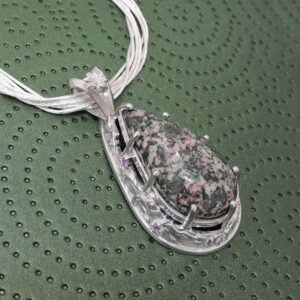
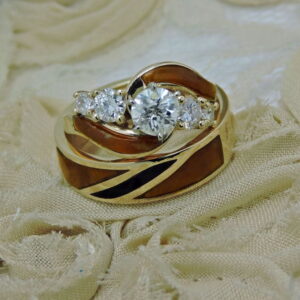
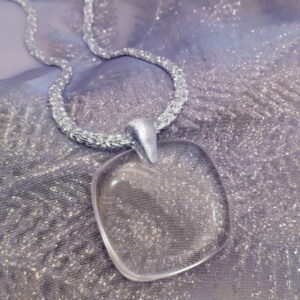
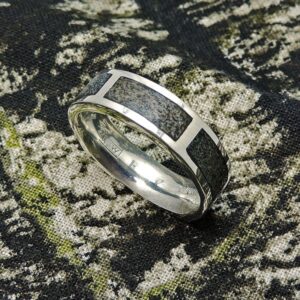
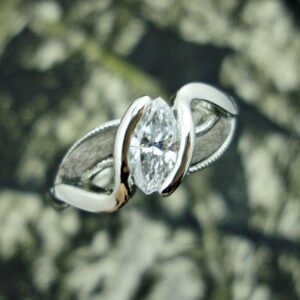
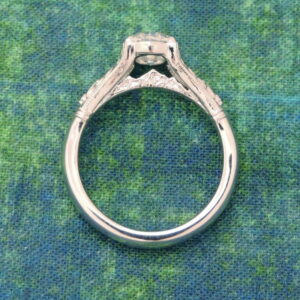
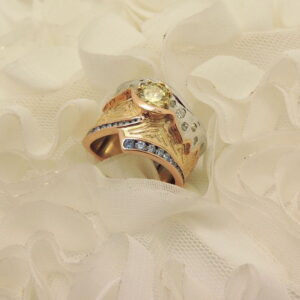
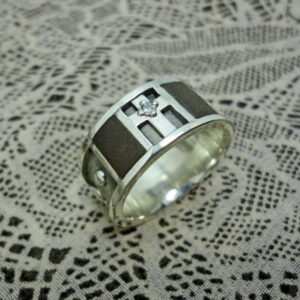
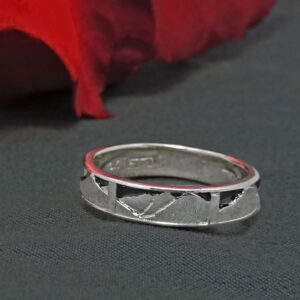
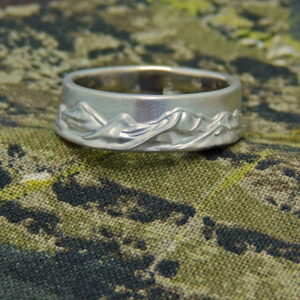
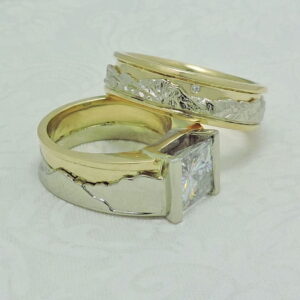
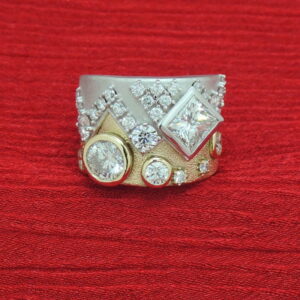
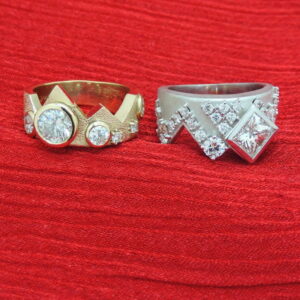
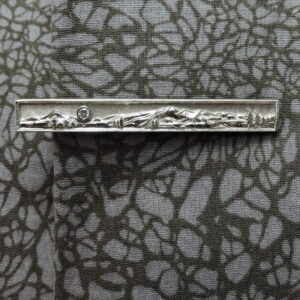
Colorado gemstones are a reflection of the state’s dramatic landscapes and complex geological history, shaped over millions of years beneath the Rocky Mountains. From high-altitude alpine pockets to rugged pegmatite formations, Colorado produces gemstones known for their exceptional clarity, vibrant color, and natural character. Each stone tells a story of extreme elevation, mineral-rich granite, and powerful natural forces, resulting in gems that are as unique as the terrain where they are found. Whether admired in their raw crystal form or transformed into fine jewelry, Colorado gemstones capture the beauty, resilience, and individuality of the Centennial State.

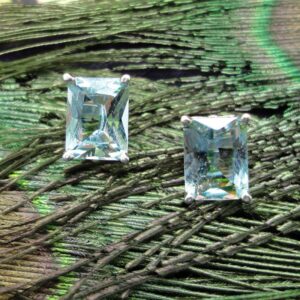

Colorado Aquamarine – The State Gemstone
- What it is:
Aquamarine is the blue to blue-green variety of beryl and was designated Colorado’s official state gemstone in 1971. - Where to find it:
The best aquamarine in Colorado is found on Mount Antero and nearby Mount White in the Sawatch Range, at very high elevations. These crystals occur in pegmatite veins within granite. - Colorado colors:
Colorado aquamarine ranges from pale icy blue to deeper blue-green tones, and exceptional clarity and color make certain pieces highly desirable for faceting. - Jewelry uses:
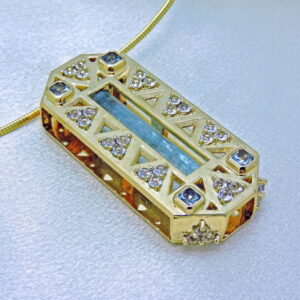
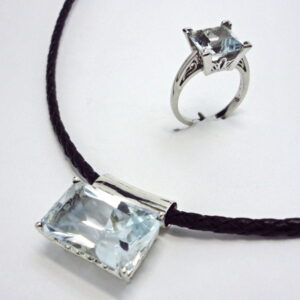
Cut aquamarine is often used in faceted gemstones for rings, pendants, and earrings. Its cool tones pair beautifully with white gold or platinum, and larger stones can become striking statement pieces or heirloom jewelry.
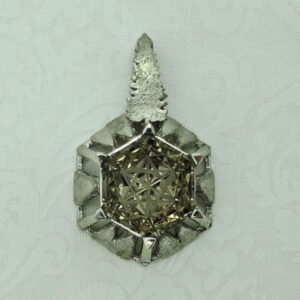
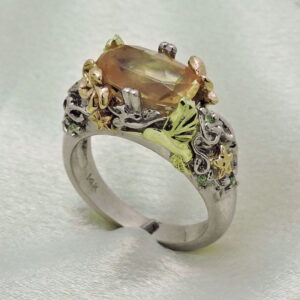
Smoky Quartz – Dark and Dramatic
- What it is:
Smoky quartz is a brown to nearly black variety of quartz colored by natural radiation in the host rock. - Where to find it:
Abundant around the Pikes Peak region, especially near Crystal Peak, Lake George, and along various pegmatitic outcrops. Here, smoky quartz often occurs in large, well-formed crystals. - Colorado colors:
Tones range from light smoky brown to deep, nearly opaque brown/black, depending on radiation exposure. - Jewelry uses:
Smoky quartz is commonly cut into faceted stones and cabochons. Its warm neutral tones make it perfect for bracelets, rings, and men’s jewelry, and it pairs well with silver or rose gold settings.
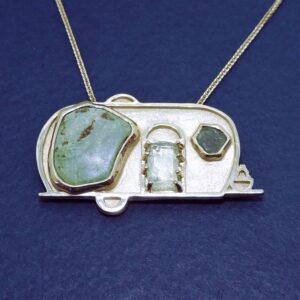
Amazonite – Colorado’s Blue-Green Treasure
- What it is:
Amazonite is a blue-green variety of microcline feldspar. Its distinctive color is due to lead and water in the crystal structure. - Where to find it:
The Pikes Peak region, especially around Crystal Peak, Florissant, and the broader Pikes Peak batholith, is famous for amazonite — often found alongside smoky quartz. - Colorado colors:
Amazonite’s hues range from teal and aqua blue to blue-green, with bright, saturate colors that make Colorado specimens highly sought by collectors. - Jewelry uses:
Because amazonite can be brittle, it is often shaped into cabochons, beads, or inlay pieces rather than sharp faceted gems. Its vivid color makes it ideal for pendants, statement rings, and artisan jewelry.
Colorado Amethyst – Purple Quartz
- What it is:
Amethyst is the purple variety of quartz. Colorado hosts several amethyst localities, often in vein or hydrothermal deposits. - Where to find it:
Notable amethyst occurrences include the Creede Mining District (e.g., Bachelor and Commodore Mines in Mineral County) and Crystal Hill Mine near La Garita. Another popular informal collecting area is Nancy Hanks Gulch near Grand Junction. - Colorado colors:
Colorado amethysts can range from pale lavender to deep purple, though saturation and size vary by locality. - Jewelry uses:
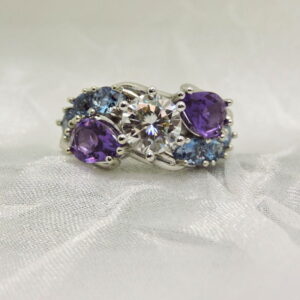
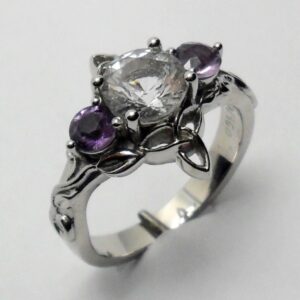
Amethyst is widely used in faceted gemstones, cabochons, and artisan jewelry. Its classic purple tones make it ideal for birthstone pieces, rings, pendants, and earrings, often set in silver or white gold.

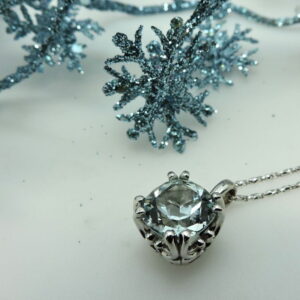
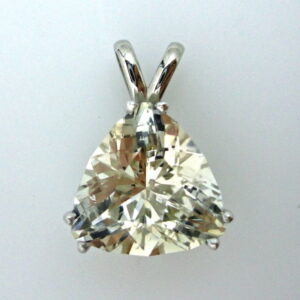

Colorado Topaz – Hard and Beautiful
- What it is:
Topaz in Colorado is often found in pegmatites and gravels, making it a classic gem for collectors and jewelry makers. - Where to find it:
Good topaz localities include the Tarryall Mountains west of Lake George and the broader Pikes Peak region, where topaz can be found both in rock and in stream gravels. - Colorado colors:
While many people assume topaz is yellow, Colorado material ranges from clear and colorless to light blue and peach/pink tones. - Jewelry uses:
With a Mohs hardness of 8, topaz is durable and ideal for rings, bracelets, and pendants. Its lighter blue and pinkish hues make it especially attractive in solitaire and halo settings in both casual and fine jewelry.
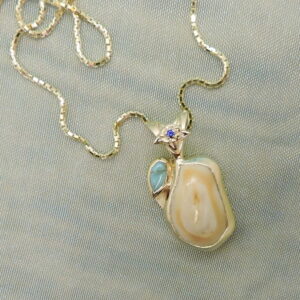
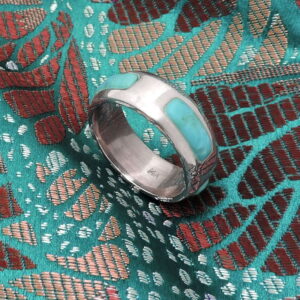

Colorado Turquoise – Rare, Earthy, and Steeped in History
- What it is:
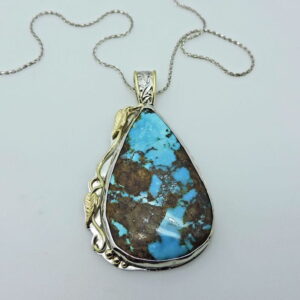
Colorado turquoise is one of the state’s rarest and most historically significant gemstones, prized more for its character and story than for mass production. Unlike turquoise from the Southwest deserts, Colorado turquoise formed in high-altitude, hard-rock mining environments, often as a byproduct of gold and copper mining. - Where to find it:
Colorado turquoise has been discovered in several historic mining districts, most notably the Leadville area, Manassa (Conejos County), Cripple Creek, and parts of Boulder County. Many of these mines are now closed, making genuine Colorado turquoise increasingly scarce and highly sought after for its collectibility. - Colorado colors:
Colorado turquoise typically ranges from soft sky blue to greenish-blue, often with heavy brown, black, or golden matrix caused by iron-rich host rock. Compared to turquoise from Arizona or Nevada, Colorado material tends to have more earthy, muted tones and distinctive veining, giving each stone a rugged, organic appearance. - Jewelry uses:
Because of its limited availability and natural matrix patterns, Colorado turquoise is most often cut into cabochons rather than faceted stones. It is especially popular in artisan, Southwestern, and heritage-inspired jewelry, including pendants, cuffs, rings, and inlay work. Many designers prefer to set it in sterling silver or oxidized silver to highlight its natural texture and historical feel. Due to its relative softness, Colorado turquoise is best suited for jewelry that won’t experience heavy daily wear
Why Colorado Gemstones Matter
Colorado’s geology has created a treasure trove of gemstones — from high-alpine beryl pockets on Mount Antero to the scenic pegmatites of the Pikes Peak region. Whether you’re a collector seeking raw crystals or a jewelry lover who appreciates the story behind the stone, these gems connect us to the natural beauty and geological history of the Rockies.