
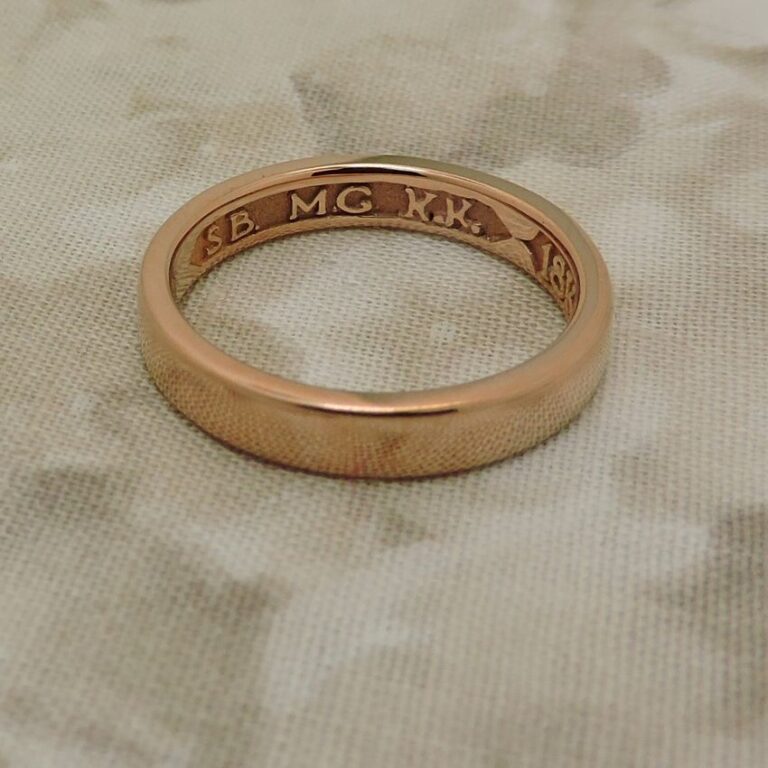
When you examine a piece of fine jewelry, you may notice tiny stamps or engravings on the inside of a ring band, the clasp of a necklace, or the back of a pendant. These markings, known as jewelry stamps or hallmarks, carry essential information about the metal’s purity, the maker, the country of origin, and even special designations related to plating, gemstones, or historical significance. Understanding these stamps can help you determine the value and authenticity of your jewelry. Here’s a breakdown of the most common jewelry marks and what they mean.
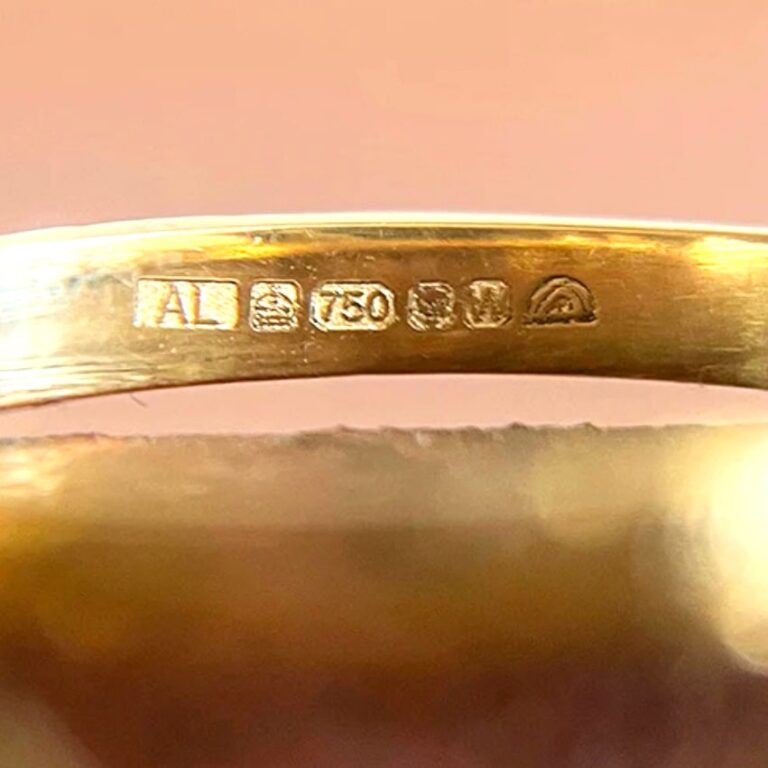
1. Purity Stamps (Gold, Silver, Platinum)
Purity stamps indicate the metal content of a piece and help buyers verify the material. These numbers represent the percentage of precious metal in an alloy.
- Gold Purity Stamps – Gold is measured in karats (K or KT) or a numerical system:
- 24K (999 or 999/1000) – Pure gold
- 18K (750 or 750/1000) – 75% gold
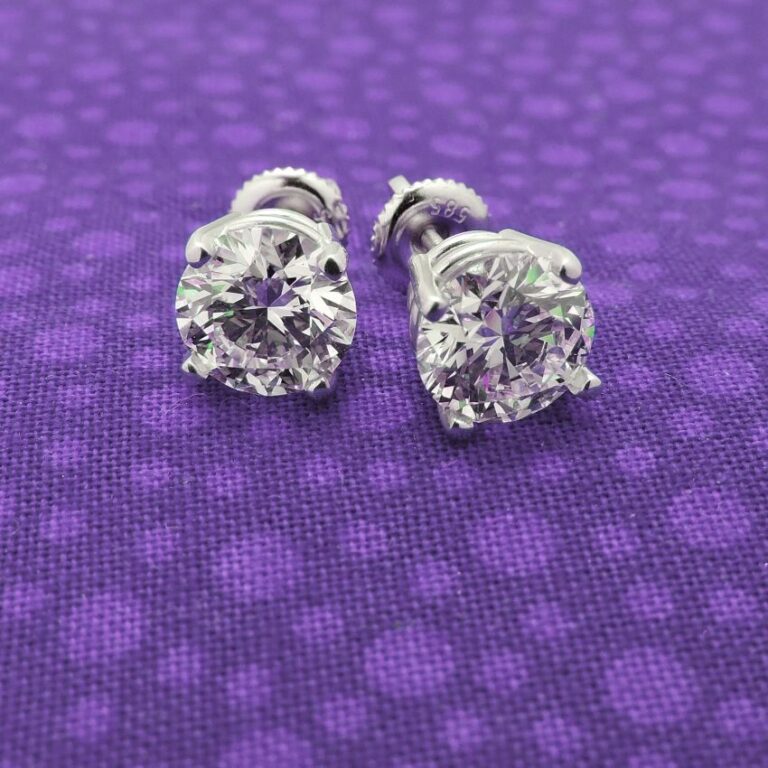
- 14K (585 or 585/1000) – 58.5% gold
- 10K (417 or 417/1000) – 41.7% gold (legal minimum for gold jewelry in the U.S.)
- 925 Sterling Silver – The number 925 indicates 92.5% pure silver, with the remaining 7.5% usually copper. This is the standard for sterling silver.
- Platinum Identifier – Platinum is often marked with:
- 950 PT (or just 950) – 95% platinum
- 900 PT – 90% platinum
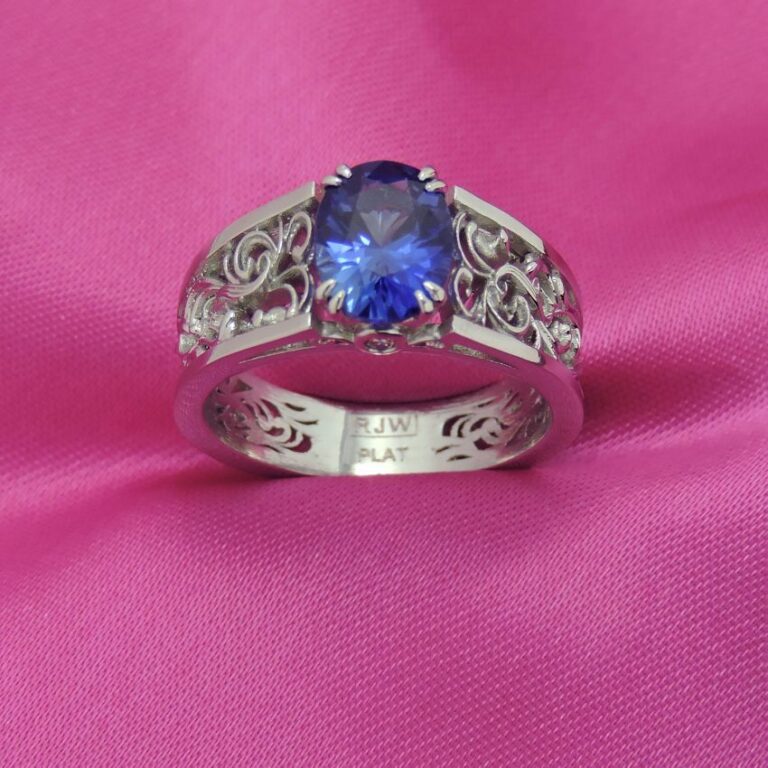
- Some older pieces may have the stamp “PLAT”
- 10% IRID PLAT – 90% Platinum with 10% Iridium alloy
- Palladium Identifier – Palladium was popular in the 1940s and 1950s, then made a resurgence in the 2010s when platinum reached an all-time high price. Palladium is often marked with:
- PD950 (or just PD) – 95% palladium
- PALL – 95% palladium
2. Hallmarks (Country of Origin & Regulation Marks)
Hallmarks are official stamps issued by a country’s assay office, ensuring a piece meets legal standards for purity. These are often accompanied by symbols unique to each country. For example:
- British Hallmarks – Include a lion (for sterling silver), a crown (for gold), or an orb (for platinum), along with a letter and city mark.
- French Hallmarks – The eagle’s head symbolizes 18K gold, and the Minerva head represents sterling silver.
- Swiss & German Hallmarks – These countries use purity numbers but may include a unique maker’s mark or assay office stamp.
3. Maker’s Mark (Jeweler or Brand Identifier)
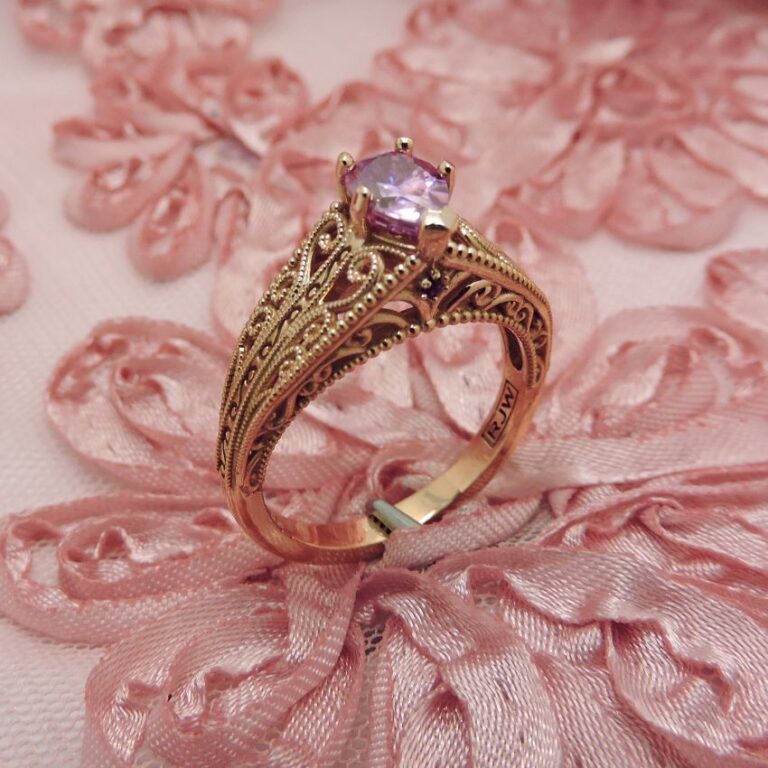
The maker’s mark identifies the designer, manufacturer, or jeweler who crafted the piece. These marks vary and often include initials, logos, or a unique symbol. Revolution Jewelry Works piece will display the following mark:
4. Location Stamp (Place of Origin)
Some jewelry pieces include a location stamp indicating where they were made. This is especially common in European jewelry and high-end luxury brands. For example:
- “ITALY” – Common on gold and silver jewelry manufactured in Italy.
- “FRANCE” – Often seen on fine French jewelry.
- “USA” – Some American jewelry brands add this mark.
5. Gold Plating Stamps
Jewelry that is not solid gold but has a gold coating or plating will have specific markings:
- GP (Gold Plated) – Thin layer of gold applied over a base metal.
- HGE (Heavy Gold Electroplate) – Thicker electroplated gold.
- GF (Gold Filled) – A thicker layer of gold bonded to a base metal, more durable than gold plating.
- Vermeil – Sterling silver with a thick layer of gold plating, often 14K or higher.
6. Stainless Steel Stamps
Stainless steel jewelry is often marked as “Stainless Steel” or “316L” (a specific grade of surgical stainless steel known for durability and hypoallergenic properties).
7. Antique Stamps (Historical & Collector’s Marks)
Antique or vintage jewelry may include marks indicating an era or period. Some common ones include:
- Georgian (1714-1837) – Rarely stamped, but may have old-fashioned hallmarks.
- Victorian (1837-1901) – Pieces may be stamped with “9CT” or “18CT.”
- Art Deco (1920s-1930s) – Look for purity stamps with distinctive, stylized fonts.
- Retro (1940s-1950s) – Sometimes marked with a patent number.
8. Diamond & Gemstone Stamps
Certain jewelry pieces may be marked with specific stamps to indicate diamond or gemstone presence:
- DIA – Denotes a diamond in the setting.
- CZ – Indicates cubic zirconia, a diamond simulant.
- Sapphire, Ruby, or Other Stones – Some high-end pieces may mark natural gems.
Why Are Jewelry Stamps Important?
- Authenticity & Value – Stamps provide assurance that a piece contains the metal it claims to.
- Legal Compliance – Many countries require metal purity stamps for consumer protection.
- Collector’s Information – Hallmarks and maker’s marks can increase a piece’s worth and desirability.
- Resale & Heirloom Value – Knowing a piece’s composition helps with resale or passing it down as an heirloom.
Jewelry stamps are tiny but powerful indicators of a piece’s authenticity, material, and origin. Whether you’re buying, selling, or inheriting jewelry, knowing what these stamps mean will help you make informed decisions. If you ever have doubts about a mark, a professional jeweler or appraiser can provide expert verification.