When purchasing a diamond—whether for an engagement ring, a custom jewelry piece, or a timeless heirloom—it’s easy to be dazzled by sparkle alone. But beyond the brilliance and beauty lies a layer of information that is just as critical: the diamond’s certification. A certified diamond brings confidence, transparency, and assurance that what you’re investing in is exactly what it claims to be.
What Is a Diamond Certification?
A diamond certification—also called a diamond grading report—is a document issued by a recognized gemological laboratory that assesses and details the characteristics of a diamond. The report includes an objective analysis of the diamond’s:
- Carat weight
- Cut grade
- Color grade
- Clarity grade
- Proportions and symmetry
- Polish
- Fluorescence
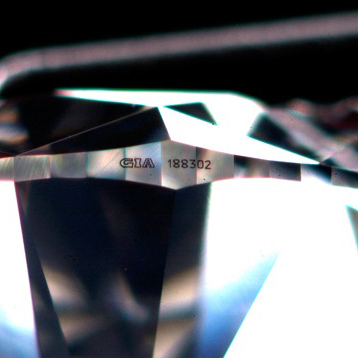
- Inscriptions (if any)
This certification is your independent proof of the diamond’s quality and authenticity, distinct from any appraisal or retail description.
Why Diamond Certifications Matter
- Verification of Quality
Certified diamonds are evaluated by trained gemologists using standardized tools and methods. A certification ensures you’re getting the quality you paid for—especially with the 4Cs (cut, color, clarity, carat). Without this, you’re taking the seller’s word on face value, which opens the door to potential misrepresentation.
- Protects Your Investment
Diamonds can vary greatly in price, even with similar size and appearance. A certified diamond has documented proof of its value, which becomes especially important for:
- Insurance purposes
- Resale or trade-in value
- Heirloom validation
Having a certificate from a reputable lab may also support any future re-evaluation or upgrade of your stone.
- Guarantees Ethical Sourcing & Lab-Grown Transparency
Some modern certifications include information about a diamond’s origin, helping to confirm that it was ethically sourced or lab-grown, and not linked to conflict zones. This is vital for conscious buyers who value responsible sourcing and environmental impact.
- Avoids Common Scams
Without a certification, consumers are at risk of unknowingly purchasing:
- Over-graded or misrepresented diamonds – When a diamond is over-graded or misrepresented, it means the diamond’s quality has been inaccurately described or intentionally inflated—usually in terms of the 4Cs: Cut, Color, Clarity, and Carat weight—to make it appear more valuable than it is. This can happen through incorrect certification, misleading sales tactics, or non-reputable grading labs. Misrepresentation goes beyond over-grading and involves deceptive or false descriptions. This could include:
- Not disclosing that a diamond is lab-grown or clarity-enhanced
- Misleading certifications from non-reputable labs that aren’t as strict as GIA or AGS
- Claiming a diamond is “natural” when it has undergone treatments or is even synthetic
- Hiding treatments like fracture-filling, laser drilling, or HPHT processes
- Enhanced or treated stones without disclosure – When a jeweler sells enhanced or treated stones without disclosure, it means the diamond (or gemstone) has undergone a process to improve its appearance artificially, but the seller did not tell the buyer about it. This is considered unethical and deceptive, and in some cases, illegal, especially if it affects the stone’s value or durability.
These are natural or lab-grown stones that have been altered using specific treatments to improve color, clarity, or durability. These treatments can be cosmetic and sometimes temporary.
Common Diamond Treatments:
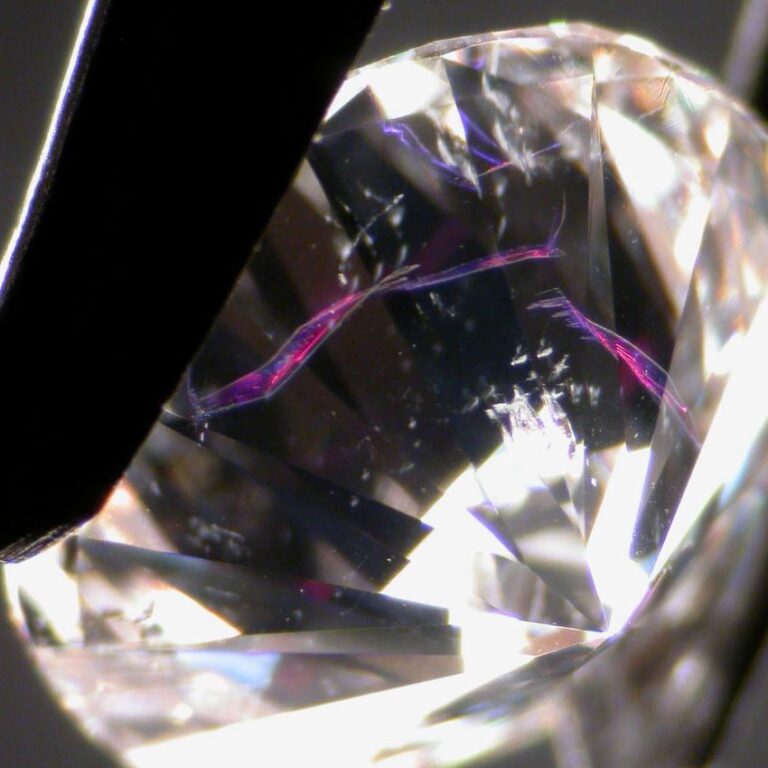
- Fracture Filling – Involves injecting a glass-like substance into internal cracks (called feathers) to make them less visible.
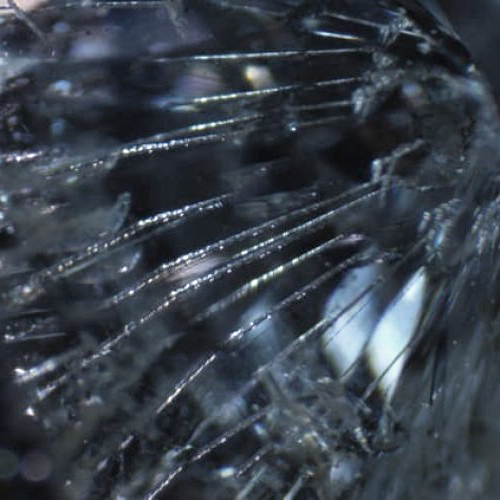
- Laser Drilling – Tiny holes are laser-drilled to reach and bleach or remove dark inclusions.
- HPHT (High Pressure High Temperature) – Changes the diamond’s color (often to make a yellowish diamond appear colorless or pink).
- Irradiation – Changes a diamond’s color, often used to create blue, green, or fancy-colored diamonds.