
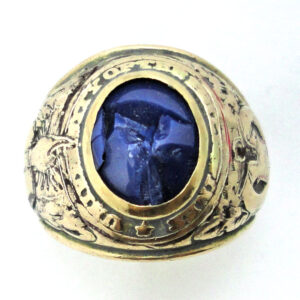
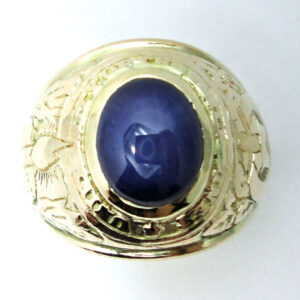
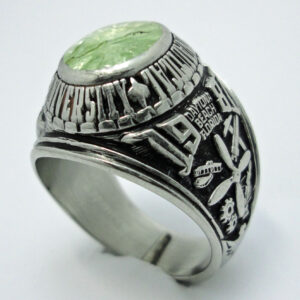
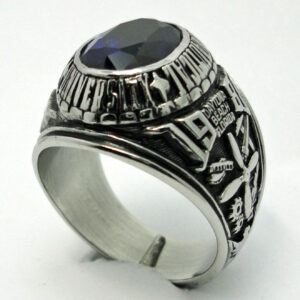
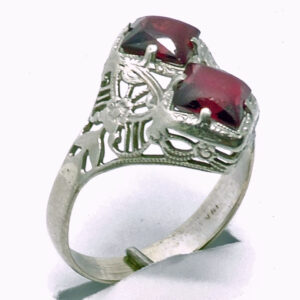
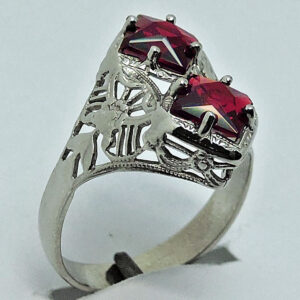
Losing a diamond or colored gemstone from your favorite piece of jewelry can be heartbreaking. Whether it’s an engagement ring, wedding band, anniversary gift, heirloom necklace, or treasured family ring, discovering an empty setting often brings one important question:
Can it be repaired?
In most cases, the answer is yes. However, replacing a missing stone involves much more than simply finding another diamond or gemstone that “looks close enough.”
At Revolution Jewelry Works in Colorado Springs, we approach every stone replacement with precision, craftsmanship, and honesty. Our experienced jewelers carefully inspect the entire piece to determine why the stone was lost, whether additional repairs are needed, and how to ensure your jewelry remains secure for years to come.
Why Stones Fall Out of Jewelry
A missing stone is usually a symptom of another issue rather than the actual problem.
Over time, everyday wear gradually weakens jewelry settings. Rings, in particular, experience constant impacts against counters, steering wheels, exercise equipment, gardening tools, and countless other hard surfaces.
Common reasons stones become loose include:
- Worn or thin prongs
- Bent or damaged prongs
- Broken settings
- Worn channels
- Loose pavé settings
- Metal fatigue
- Previous improper repairs
- Impact damage
- Everyday wear over many years
Simply replacing the stone without correcting the underlying issue often leads to losing the replacement stone as well.
The First Step: A Complete Jewelry Inspection
Before recommending a replacement stone, our jewelers perform a detailed inspection under magnification.
During this inspection, we evaluate:
- The condition of every prong
- Wear patterns in the setting
- Cracks or fractures in the metal
- Loose surrounding stones
- Damage from previous repairs
- Overall structural integrity
- Signs of metal fatigue
Many issues are nearly impossible to see with the naked eye but become obvious under a jeweler’s microscope.
This careful evaluation helps determine whether the setting simply needs tightening or if more extensive repairs are necessary before installing a new stone.
Matching the Replacement Stone
One of the most important parts of stone replacement is finding a gemstone that blends naturally with the existing jewelry.
For diamonds, we consider:
- Carat weight
- Diameter (measured in millimeters)
- Cut quality
- Shape
- Color
- Clarity
- Table size
- Overall brilliance
Even two diamonds with the same carat weight may measure differently, making exact measurements critical.
For colored gemstones, we also evaluate:
- Hue – Hue is the primary color of a gemstone. It identifies the dominant color you see, such as blue, red, green, yellow, or purple. Gemstones can also have secondary hues—for example, a sapphire may be described as a slightly violetish blue or a tourmaline as bluish green. Hue is one of the key factors jewelers use to evaluate and match colored gemstones.
- Saturation – Saturation refers to the intensity or purity of a gemstone’s color. A gemstone with high saturation has a rich, vivid color, while one with low saturation appears more muted, grayish, or washed out. In general, gemstones with strong, even saturation are considered more valuable because their color is more vibrant and visually striking.
- Tone – Tone refers to how light or dark a gemstone’s color appears. It ranges from very light to very dark, regardless of the gemstone’s hue. For example, two sapphires may both be blue, but one may have a light tone while the other has a deep, dark tone. In many gemstones, a medium to medium-dark tone is often considered the most desirable because it showcases the color without appearing too pale or too dark.
- Transparency – Transparency describes how much light passes through a gemstone. Gemstones can range from transparent (light passes through clearly) to translucent (light passes through but objects appear blurred) to opaque (no light passes through). Transparency affects a gemstone’s brilliance and overall appearance and is one of the factors jewelers consider when selecting or matching replacement stones.
- Cut style – Cut style refers to the overall shape and arrangement of a gemstone’s facets. It influences how the stone reflects light and showcases its color and brilliance. Common cut styles include round brilliant, oval, emerald, cushion, pear, marquise, princess, and radiant. When replacing a gemstone, matching the original cut style helps maintain the jewelry’s appearance and ensures the new stone fits securely in its setting.
- Natural inclusions – Natural inclusions are internal characteristics or tiny imperfections that formed naturally as a gemstone grew within the earth. They can include small crystals, mineral deposits, feathers, or growth patterns. Inclusions are unique to each gemstone and can help identify a stone as natural. While some inclusions may affect a gemstone’s clarity or durability, many are microscopic and have little impact on its beauty. When replacing a colored gemstone, jewelers consider natural inclusions to help match the appearance of the original stone.
- Overall appearance – Overall appearance refers to the combined visual impression of a gemstone, taking into account its color, cut, clarity, brilliance, transparency, and proportions. Even if two gemstones have similar specifications, they may look different when viewed side by side. When selecting a replacement stone, jewelers evaluate the overall appearance to ensure it blends naturally with the existing jewelry and maintains a balanced, cohesive look.
The goal is for the replacement stone to look like it has always belonged in the piece.
Why Size Matters More Than Carat Weight
Many people think replacing a stone is as easy as ordering another diamond with the same carat weight.
Unfortunately, that’s rarely the case.
Diamonds are mounted by their physical dimensions—not simply their weight.
For example, two 0.50-carat diamonds may have noticeably different diameters depending on how they were cut. Even differences of a few hundredths of a millimeter can affect how securely a stone fits into its setting.
That is why experienced jewelers measure the opening precisely before sourcing a replacement.
Sometimes the Setting Needs Repair First
If the original setting has worn down, replacing the stone alone is not enough.
Additional repairs may include:
- Re-tipping worn prongs
- Rebuilding prongs
- Replacing broken prongs
- Tightening all surrounding stones
- Repairing channels
- Rebuilding worn bezels
- Laser welding damaged areas
- Reconstructing portions of the setting
These repairs help protect your investment and significantly reduce the risk of losing another stone.
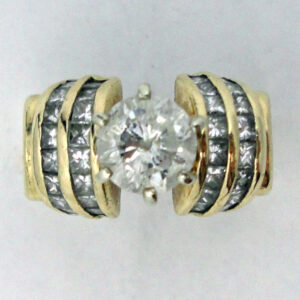
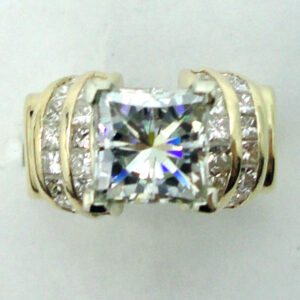
Replacing Diamonds
Diamond replacement is one of our most requested repairs.
Whether your ring contains a tiny accent diamond or a larger center stone, we carefully source diamonds that match the existing piece in quality and appearance.
Our jewelers never recommend replacing a high-quality diamond with an inferior one simply because it’s less expensive. Instead, we’ll discuss options that fit your budget while maintaining the beauty and integrity of your jewelry.
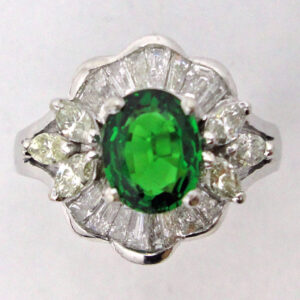
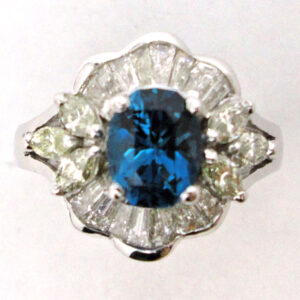
Replacing Colored Gemstones
Colored gemstone replacement often requires even more attention to detail.
Natural gemstones vary greatly in color, making an exact match challenging.
We commonly replace:
- Sapphires
- Rubies
- Emeralds
- Aquamarines
- Garnets
- Amethysts
- Citrine
- Tourmalines
- Topaz
- Peridot
- Opals
- Tanzanite
Some older gemstones or discontinued cuts may require custom sourcing or recutting to achieve the closest possible match.
Heirloom Jewelry Requires Special Care
Vintage and antique jewelry presents unique challenges.
Older settings often have:
- Softer metals
- Thin prongs
- Hand-fabricated settings
- Obsolete stone sizes
- Years of accumulated wear
Replacing a missing stone in heirloom jewelry often involves restoring portions of the setting before installing a new gemstone.
Whenever possible, our goal is to preserve the original craftsmanship while making the piece safe to wear again.
Custom Cutting May Be Necessary
Not every stone is available in standard sizes.
Older jewelry frequently contains measurements that are no longer commonly produced.
In these situations, a gemstone may need to be custom cut to fit the existing setting.
Although this process requires additional time, it preserves the original design and provides a more secure fit than attempting to modify the setting excessively.
Should You Replace the Stone or Redesign the Piece?
Sometimes extensive wear makes replacement impractical.
If the mounting has suffered significant damage, redesigning the jewelry may actually be the better long-term investment.
Our team will always explain your options honestly, whether that means:
- Replacing only the missing stone
- Repairing the existing setting
- Rebuilding portions of the mounting
- Creating a custom setting
- Completely redesigning the piece
We believe informed customers make the best decisions.
How Long Does Stone Replacement Take?
Every repair is unique.
The timeline depends on factors such as:
- Availability of the replacement stone
- Whether custom sourcing is required
- Additional repairs needed
- Custom cutting requirements
- Complexity of the setting
Simple replacements may be completed relatively quickly, while custom or heirloom restorations naturally require more time.
How to Prevent Losing Stones in the Future
Routine maintenance is one of the best ways to protect your jewelry.
We recommend:
- Having jewelry professionally inspected every six months.
- Removing rings during heavy lifting, sports, gardening, or home improvement projects.
- Cleaning jewelry regularly so dirt doesn’t hide loose stones.
- Bringing your jewelry in immediately if you hear a rattle or notice a stone moving.
- Repairing worn prongs before a stone is lost.
Preventive maintenance is almost always less expensive than replacing a lost gemstone.
Trust Revolution Jewelry Works for Expert Stone Replacement
Replacing a missing stone is about far more than finding another diamond or gemstone. It requires expert craftsmanship, careful inspection, precision stone matching, and a commitment to protecting the jewelry for years to come.
At Revolution Jewelry Works, we take pride in restoring treasured jewelry with honesty, skill, and attention to detail. Whether you’ve lost a small accent diamond, need a colored gemstone replaced, or want to restore a cherished family heirloom, our experienced jewelers will carefully evaluate your piece and recommend the best solution.
Because every piece of jewelry tells a story—and every repair deserves the craftsmanship to keep that story going.
Frequently Asked Questions About Stone Replacement
Yes. In most cases, a missing diamond can be replaced once the setting has been inspected and any necessary repairs have been completed.
Absolutely. We carefully match replacement diamonds based on size, cut, color, clarity, and overall appearance to blend with your existing jewelry.
If the setting caused the original stone to fall out, replacing only the stone may result in losing another one. The setting must first be evaluated and repaired if necessary.
Often, yes. Antique and vintage jewelry may require additional restoration work, but many treasured family pieces can be safely repaired while preserving their original character.
Most jewelers recommend a professional inspection every six months, especially for rings worn daily.
Yes. We source and replace a wide variety of natural and laboratory-grown gemstones, matching color, size, and cut as closely as possible.